



The VAST AI Operating System captures any data at any scale, enriches it into meaning the moment it lands, and activates it across a global grid of GPUs.
The AI Operating System
Most AI teams manage separate systems for storage, data ingestion, analytics, vector search, streaming, and AI runtime. The VAST AI OS pulls all of it into a single unified infrastructure layer. One platform: Simple. Reliable. Secure.
Capabilities
What the AI OS Can Do
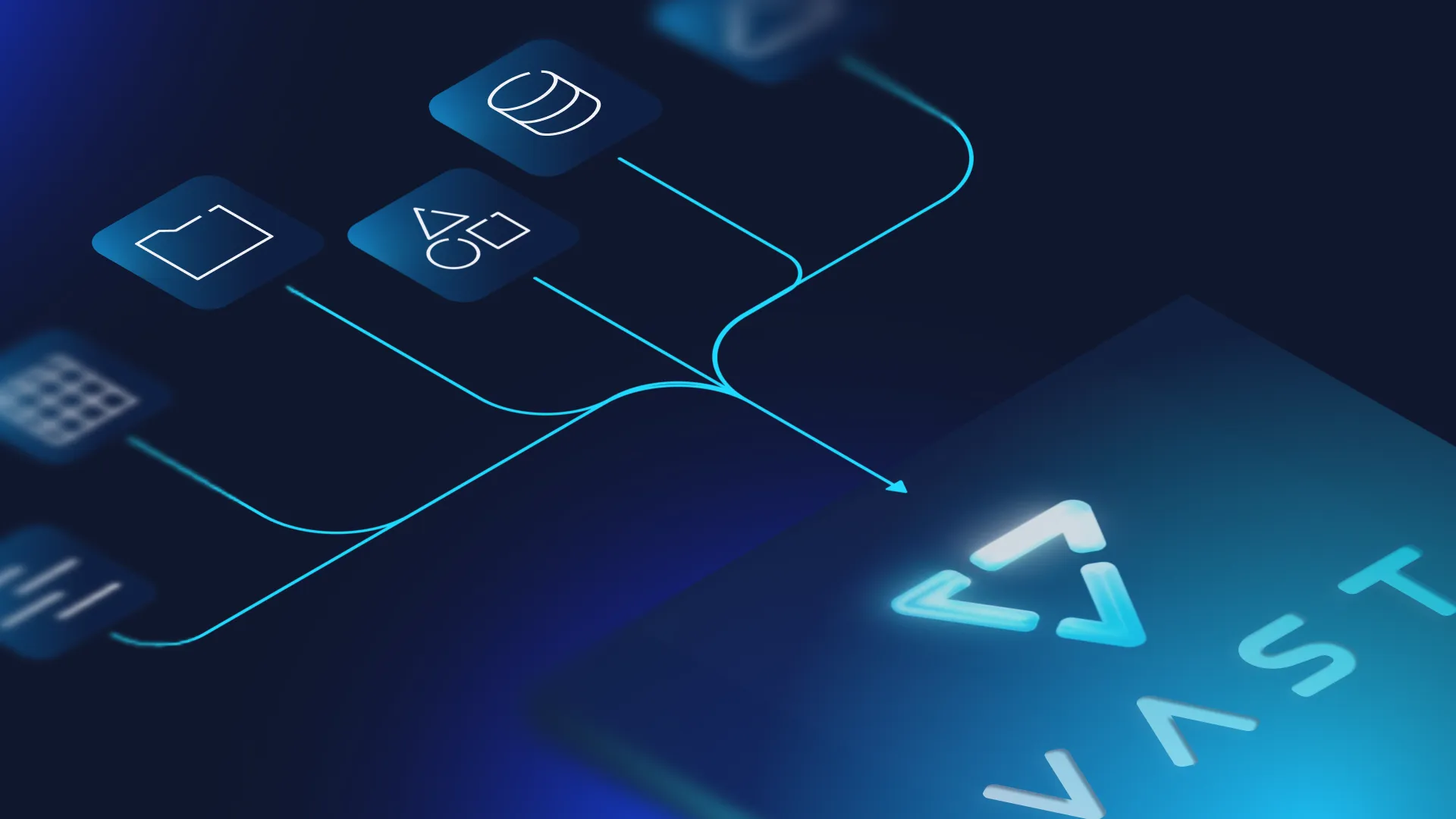
Build a Universal Storage Infrastructure
The data foundation for AI, engineered to handle any data at any scale. It captures raw, real-time data, structured or unstructured, combining all-flash performance with archive economics. The result: fast, unhindered access to all your data, without legacy tradeoffs.
Get the most value out of every PB of capacity you deploy.
How DataStore Beats Legacy Architectures
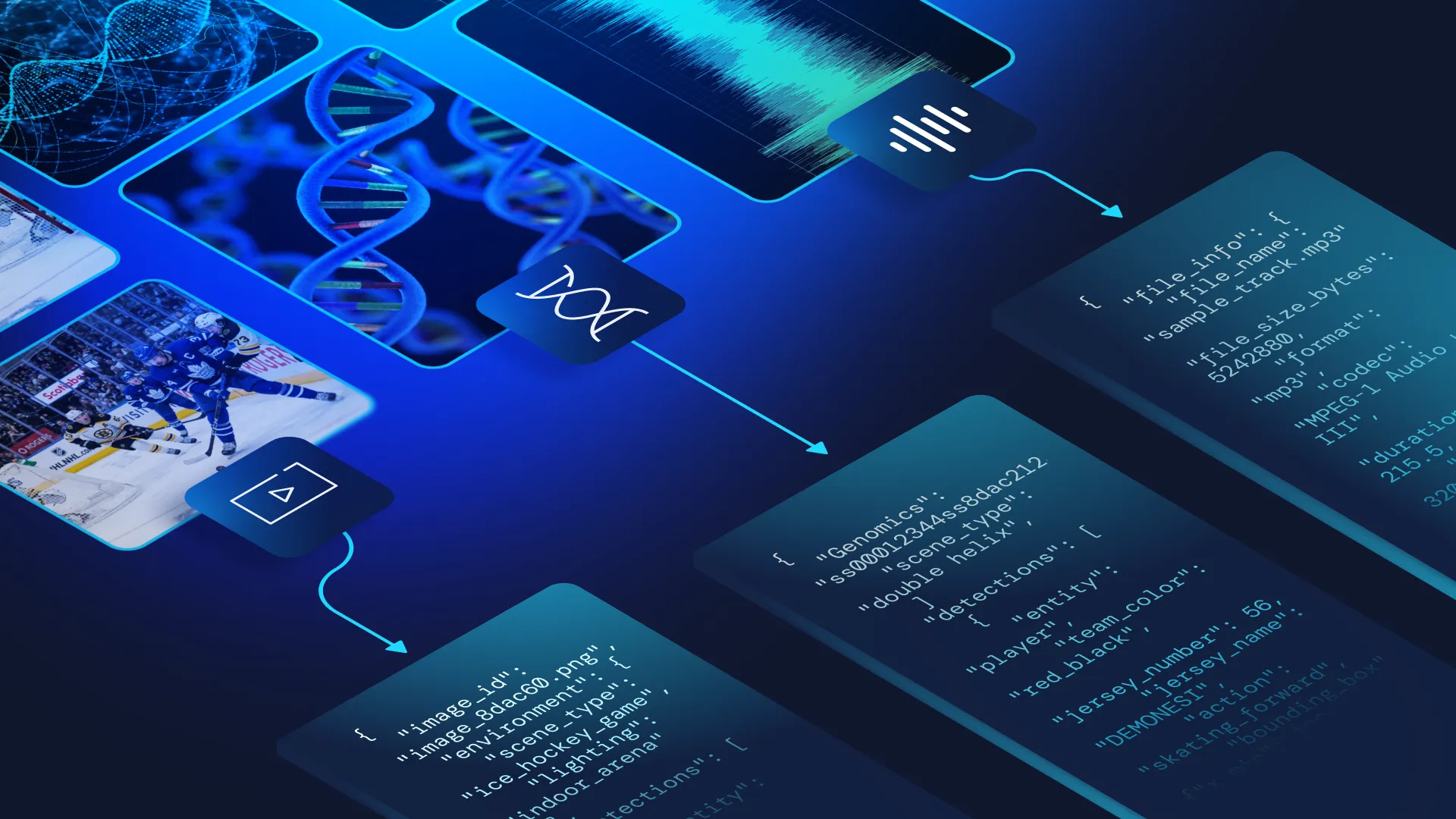
AI-Derived Context
The moment data enters, enrichment begins. Unstructured content like video, documents, and audio becomes AI embeddings, a universal language for finding relationships. Structured data like telemetry is indexed into database tables, instantly ready for real-time analysis at any scale.
2M events/second ingest. 20x faster analytical queries vs. Iceberg stacks.
InsightEngine Makes Raw Data AI-Ready
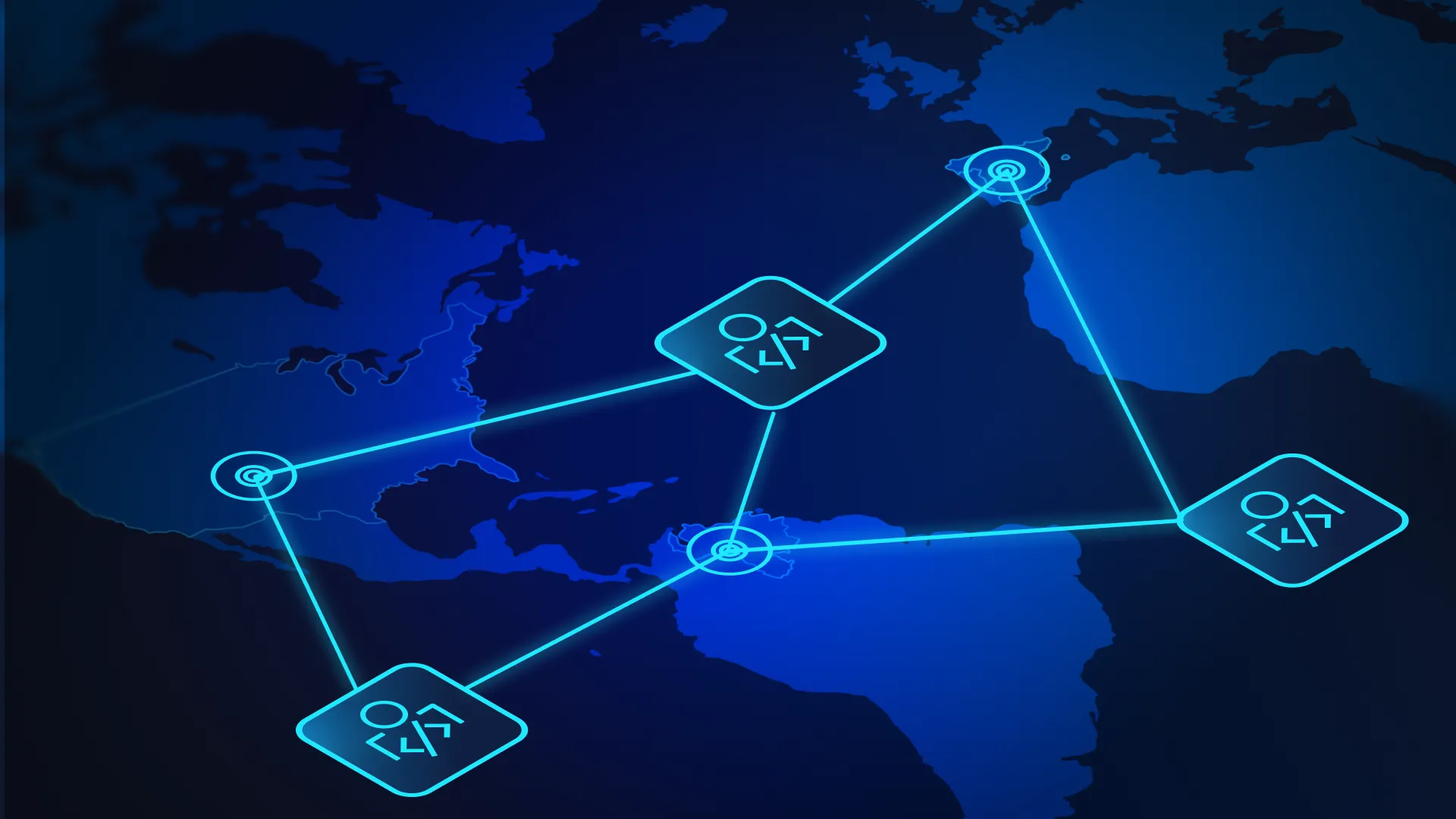
Agentic Reasoning & Action
The system activates your data. It scales AI agent workflows globally across GPUs and provides a managed container runtime, so AI interacts with an intelligent data layer. Compute and data span edge and cloud as one grid for agentic computing.
1 GB/s per GPU sustained.
How AgentEngine Puts Your Data to Work
The VAST AI OS powers the performance, simplicity, and flexibility needed to support the next generation of sovereign AI workloads, and gives us the confidence to scale fast and securely. With VAST, we’re enabling a GPUaaS platform that meets the exacting needs of government, research, and enterprise AI customers in South Korea.
DK Lee
Vice President, and Head of AI DC Lab, SK Telecom

Performance
Powering AI’s Most Demanding Production Environments

>11 TB/s
aggregate throughput
>99.999%
uptime across 3M+ GPUs in production
20×
faster analytics vs. Iceberg stacks
60%
lower TCO
Technology
How the AI OS Works
Every capability in the VAST AI OS runs on a single architecture: DASE (Disaggregated Shared-Everything). DASE separates compute from capacity so each can scale independently, and it gives every node access to the full global dataset. That's how the AI OS keeps adding capabilities — database, event streaming, vector search, agent orchestration — without compromise.
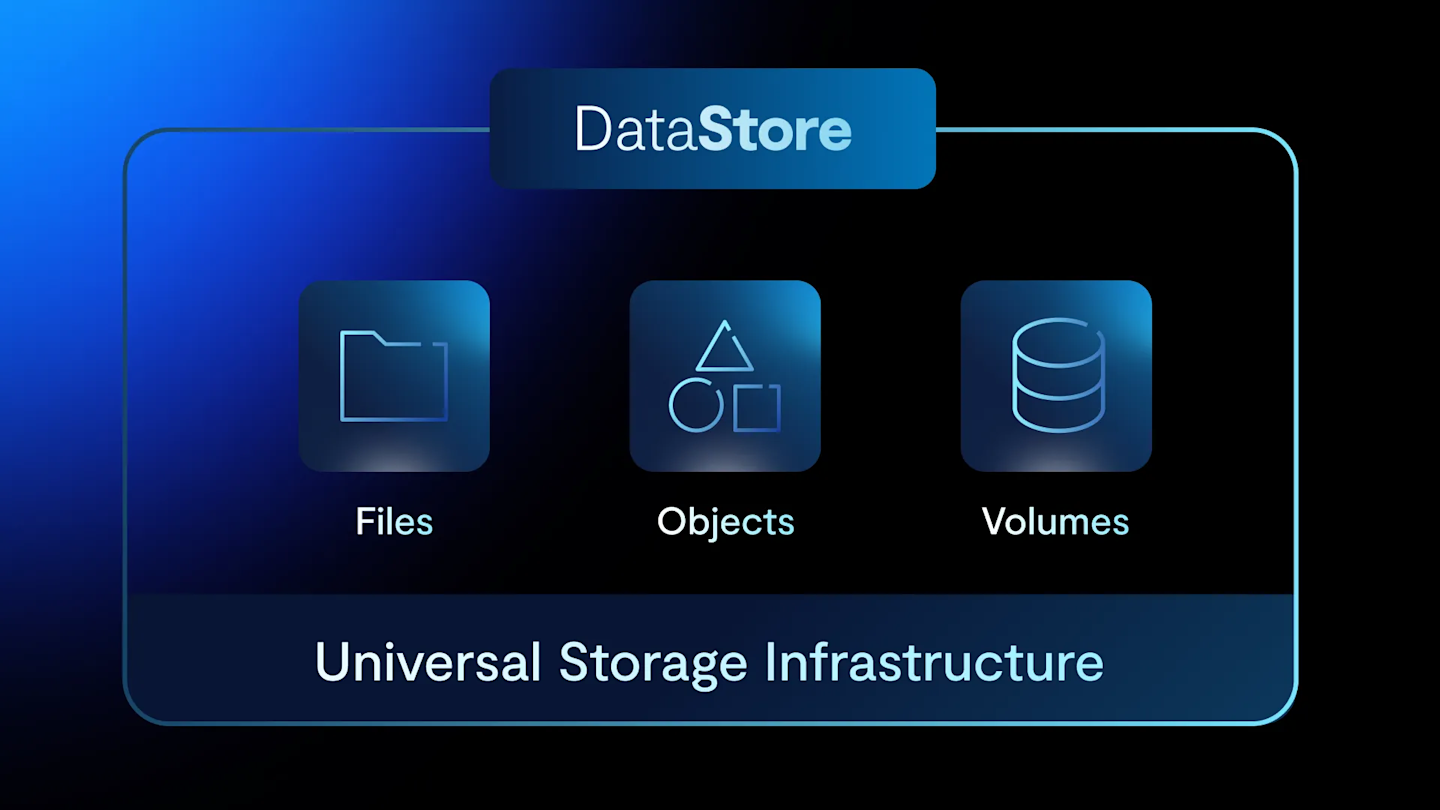
DataStore
Unified Storage
Every workflow starts here. Enterprise data, whether block, file, or object, is written to the DataStore, a single exabyte-scale foundation that consolidates all of it without the tiering and silos that slow AI.
Best data reduction. Get the most value out of every PB of capacity you deploy.
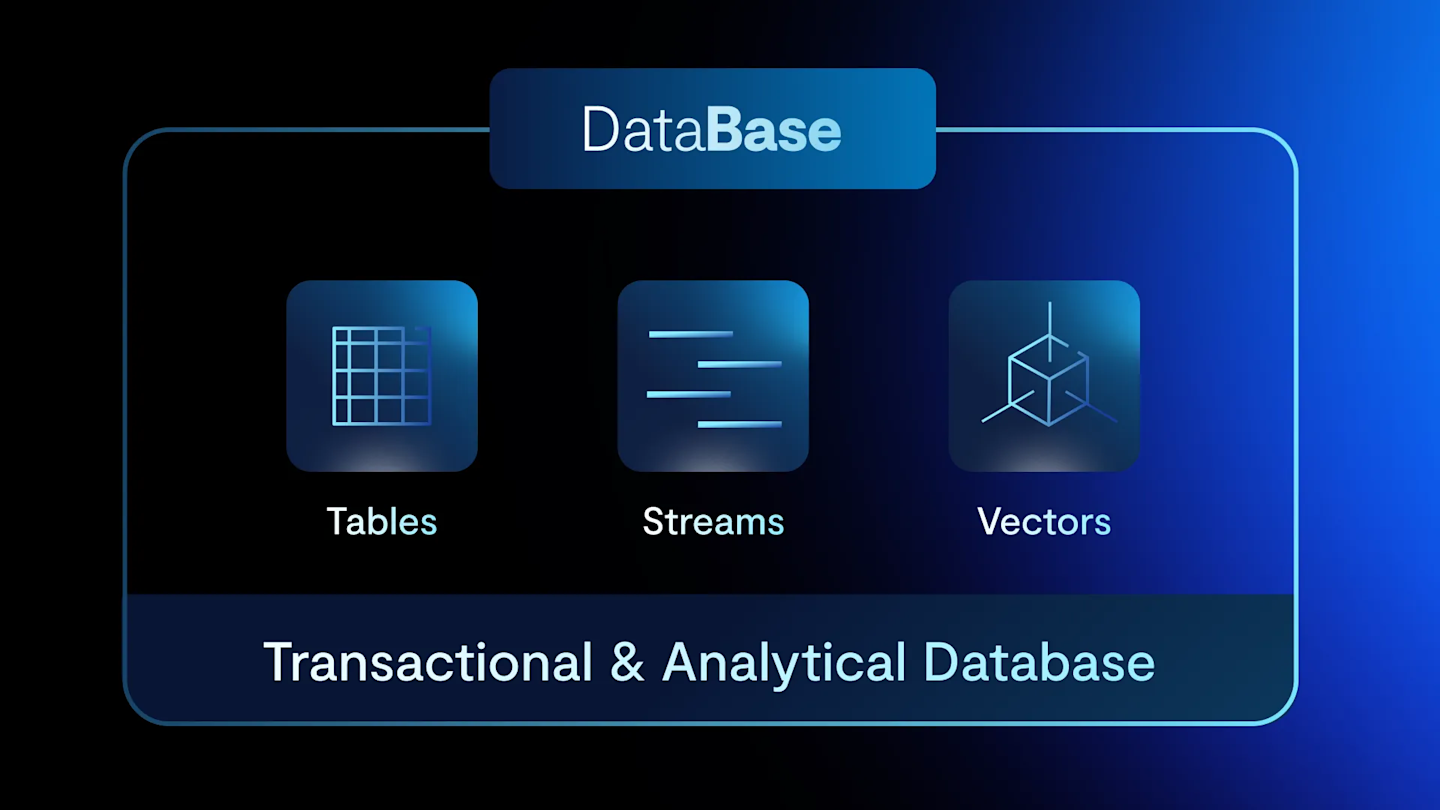
DataBase
Transactional & Analytical Database
Next, data is chunked, embedded, and stored as vectors in the DataBase, alongside structured tables and streaming data, so unstructured and structured data streams are instantly ready for query and similarity search.
20× faster analytical queries vs. Iceberg stacks.
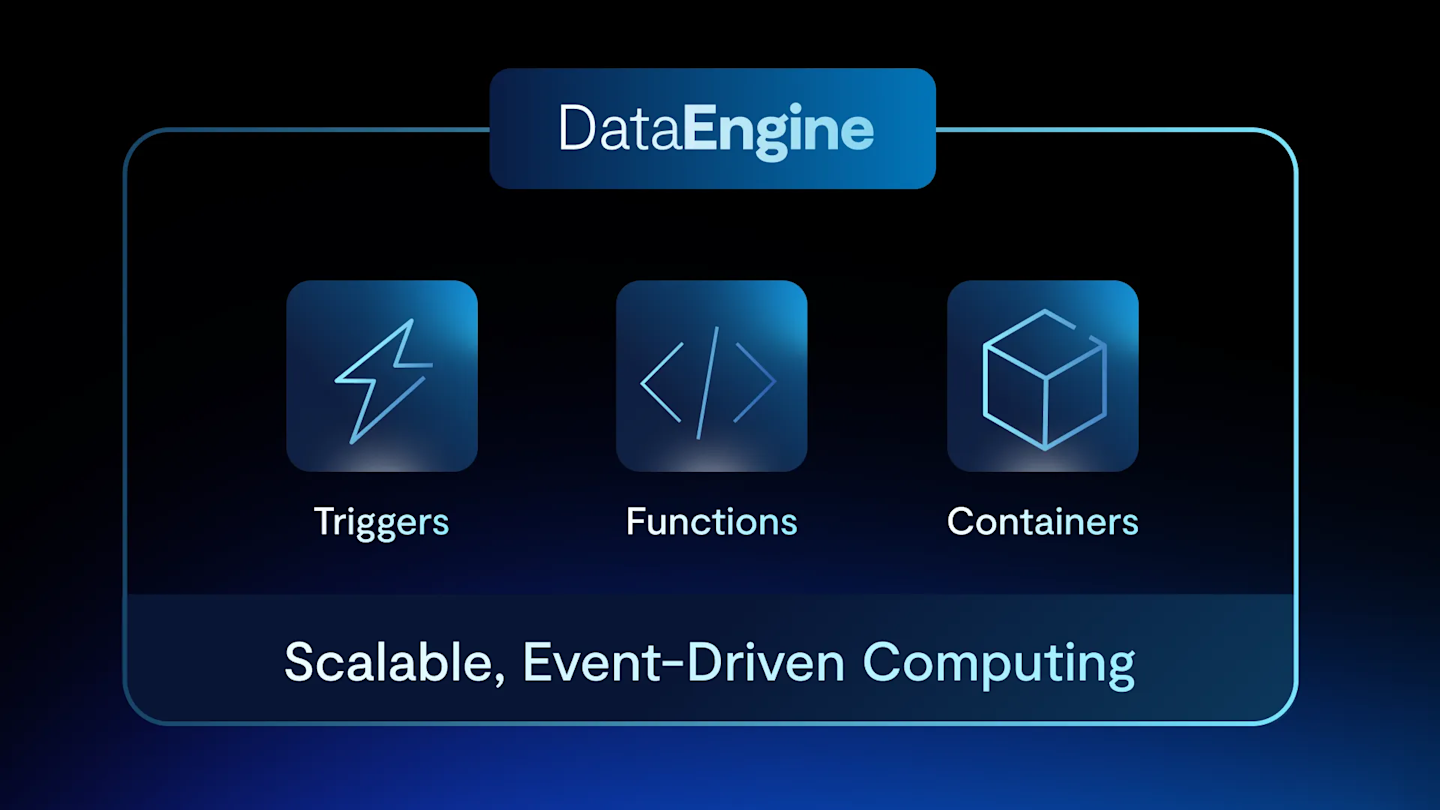
DataEngine
AI Pipeline Automation
The DataEngine then acts on it, leveraging python functions and a built-in Kafka-compatible message bus, triggering agents the moment data changes to take actions directly against it, turning a passive store into an active platform.
Lower TCO and faster TTV with integrated Kafka and pipeline orchestration tools.
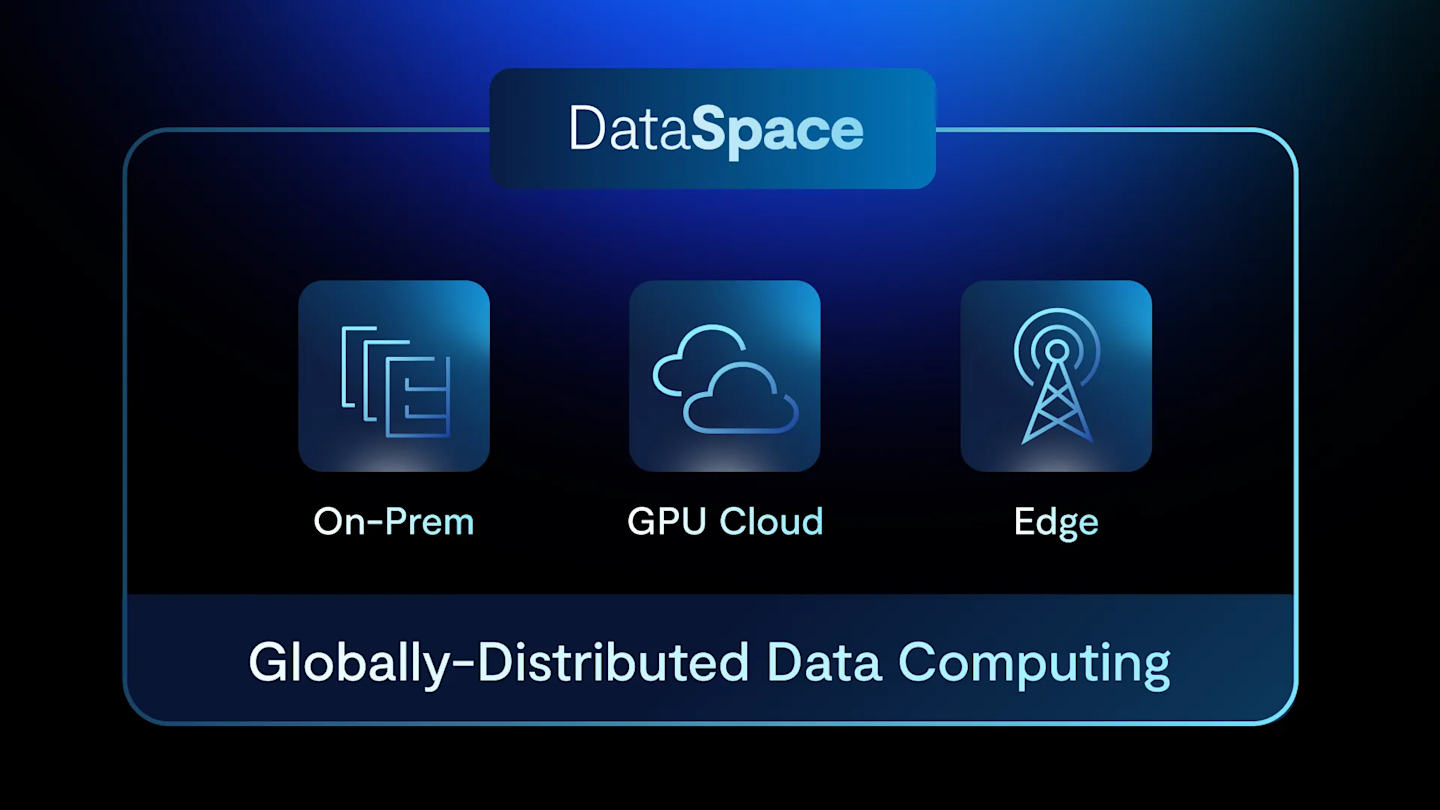
DataSpace
Global Namespace
This makes that data available to the GPUs that need it, wherever they sit, leveraging a federated global namespace that spans clusters, within or across data centers, on-prem or off, from edge to cloud.
Real-time access to any data, anywhere.
Integrations
Native Integrations Across the AI Ecosystem
VAST connects to the tools your teams already use through native APIs, open-source plugins, and validated integrations. No rip-and-replace. Deploy alongside your current infrastructure and expand at your own pace.
Quick Answers
Common Questions About the AI OS
The AI OS is one unified platform that replaces dozens of point solutions, dramatically reducing complexity and vendor management overhead. Think about simplifying:
Multiple storage tiers and vendors
Separate vector databases
External streaming platforms
Complex ETL pipelines and data preparation tools
Disparate MLOps and agent deployment systems
AI Builders & Cloud Providers: Organizations creating and deploying large-scale AI models and cloud platforms need extreme performance, scalability, and advanced tooling to manage their next-gen AI services and agentic systems.
Enterprise Leadership: C-suite executives leveraging AI for their competitive advantage and business transformations need strategic solutions that deliver measurable ROI, robust security, and simplified infrastructure management.
Technical Implementers: AI engineers and architects building and maintaining AI/ML infrastructure need scalable platforms with efficient MLOps tools, simplified integration, and support for advanced AI capabilities, like real-time processing and vector databases for RAG.
Learn more about our flexible deployment and consumption options.
Runs everywhere AI lives: on-premises data centers, public clouds (AWS, Azure, GCP, Oracle), edge locations, or hybrid environments. Software-first architecture adapts to your infrastructure, not the other way around.
Hardware Compatibility: Works efficiently on commodity hardware platforms with established partnerships including HPE, Cisco, Dell, Lenovo, and more to ensure smooth deployment across different environments.
Protocol Support: Natively supports all major enterprise protocols including NFS, SMB, S3, NVMe over TCP, SQL, and Kafka-compatible streaming, so your existing applications and workflows continue to work.
System Integration: Integrates with existing Kubernetes clusters and bridges legacy applications through real-time message brokers. Built on industry standards like Model Context Protocol (MCP) for maximum interoperability with current AI tools.
Security Continuity: Unified identity management and end-to-end encryption work with your existing security frameworks while extending governance across the entire AI environment.
Expand Your Knowledge
Learn More About the AI Operating System
See All Resources
Solution Brief
Understanding the Software Stack
How the VAST AI OS unifies storage, database, and compute into one intelligent platform built for agentic AI.
4 pages

Podcast
What Comes After Compute? An OS for AI
VAST CEO Renen Hallak on building AI infrastructure from a blank slate, and creating a habitat where autonomous agents persist, learn, and communicate.
19:28
Analyst Paper
Bringing Agentic AI to the Enterprise
Moor Insights & Strategy examines why enterprise agentic AI demands an operating system, and how VAST built one.
10 pages
Bring Us Your Hardest AI Infrastructure Conversation
An SE will walk through your stack, your bottleneck, and what an AI OS deployment looks like for your workload.